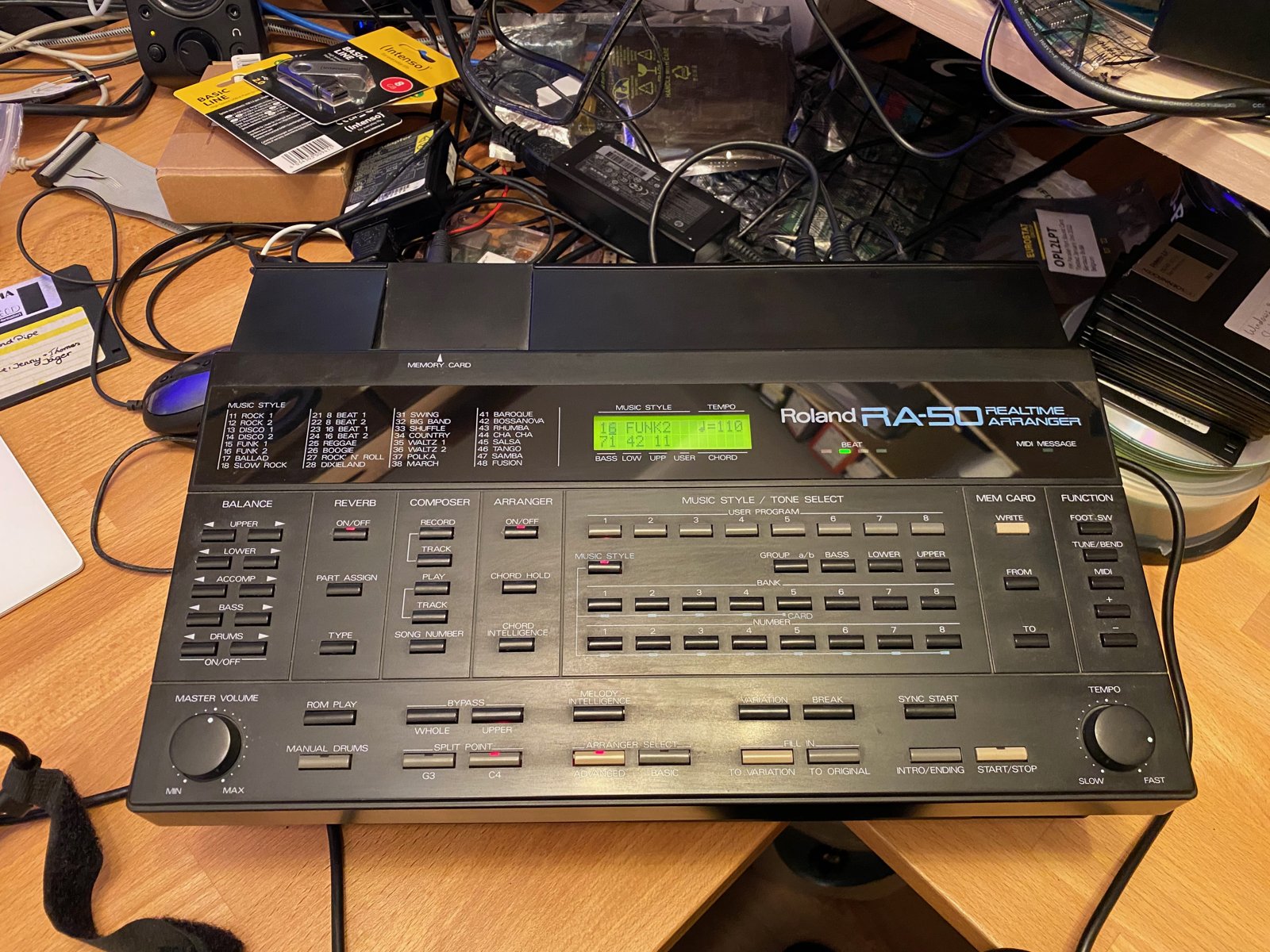
(Fig. 1: My Roland RA-50, modified to work as an MT-32)
In my 386 DOS machine, the music for many games does not come from the Sound Blaster Pro 2 (CT1600), but from a Roland MT-32. The MT-32 is an external sound module from 1987, and many DOS games from the late 80s and early 90s - especially those from Sierra and LucasArts - were composed for it. Compared to the FM synthesis of an AdLib or Sound Blaster, the music sounds completely different.
To connect the MT-32 to the PC, you need a MIDI interface. The Sound Blaster Pro has a MIDI port on its joystick connector, but it is not MPU-401 compatible, and most DOS games only support the Roland MPU-401 for the MT-32. That's why I use a separate MPU-401 compatible card: an MDR-401x. Over time, the card and the MT-32 have been in both of my 386s - the AMD 386DX-40 and the HP Vectra 386/33N.
And my MT-32 is actually not an MT-32: it is a Roland RA-50 that I modified myself.
The Hardware
| Component | Model |
|---|---|
| Sound module | Roland RA-50, modified to an MT-32 |
| MIDI interface | MDR-401x MIDI card (ISA, MPU-401 compatible, with intelligent mode) |
| Sound card | Sound Blaster Pro 2 (CT1600) |
From RA-50 to MT-32
The RA-50 is a "Realtime Arranger" from Roland. Inside, it uses the same LA synthesis as the MT-32, which makes it possible to turn it into an MT-32. I did the mod in March 2023 following this video tutorial: Tutorial: Roland RA-50 to MT-32 by pc-sound-legacy.
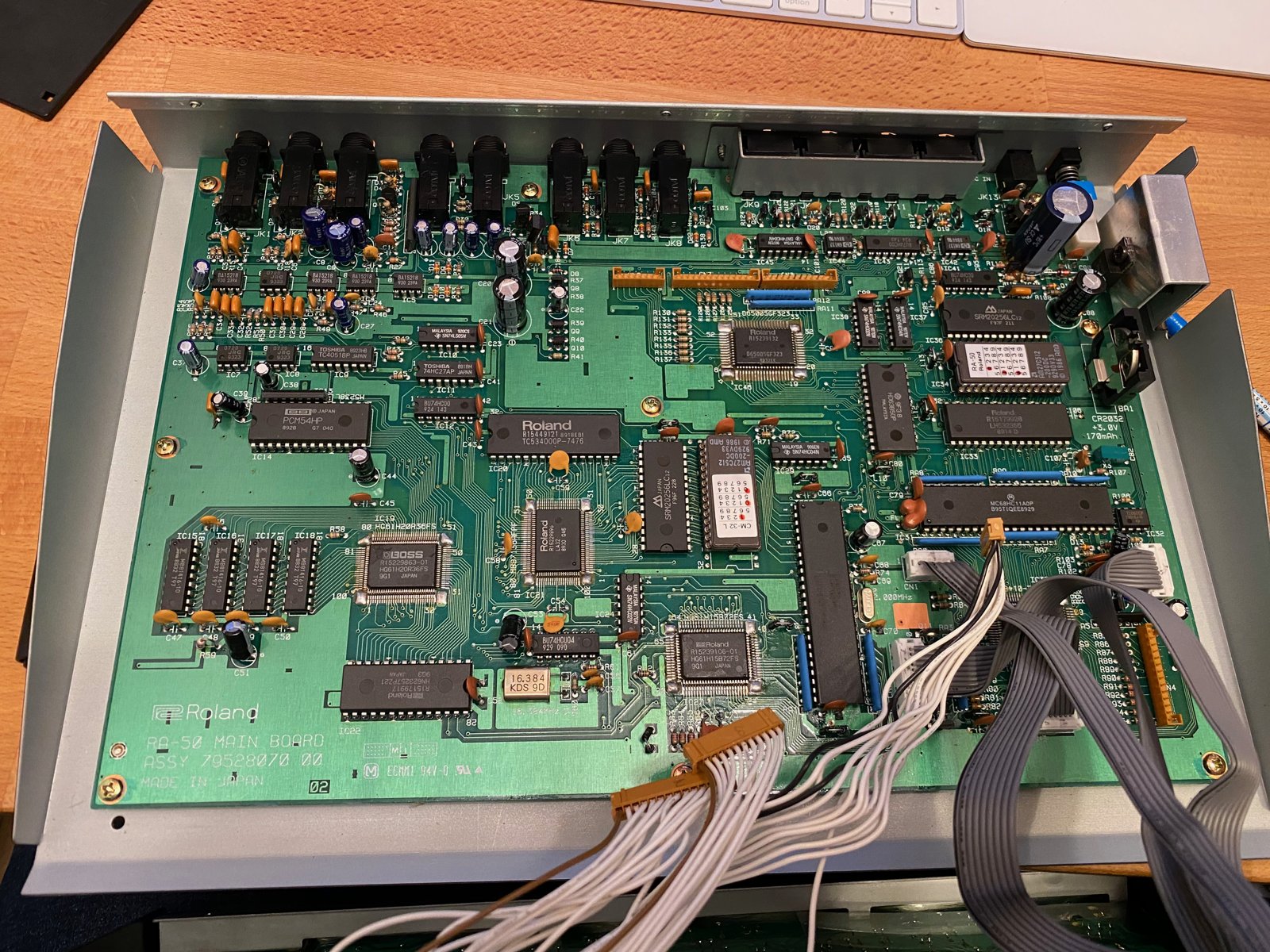
(Fig. 2: The opened RA-50)
The mod needs a few wires on the mainboard:
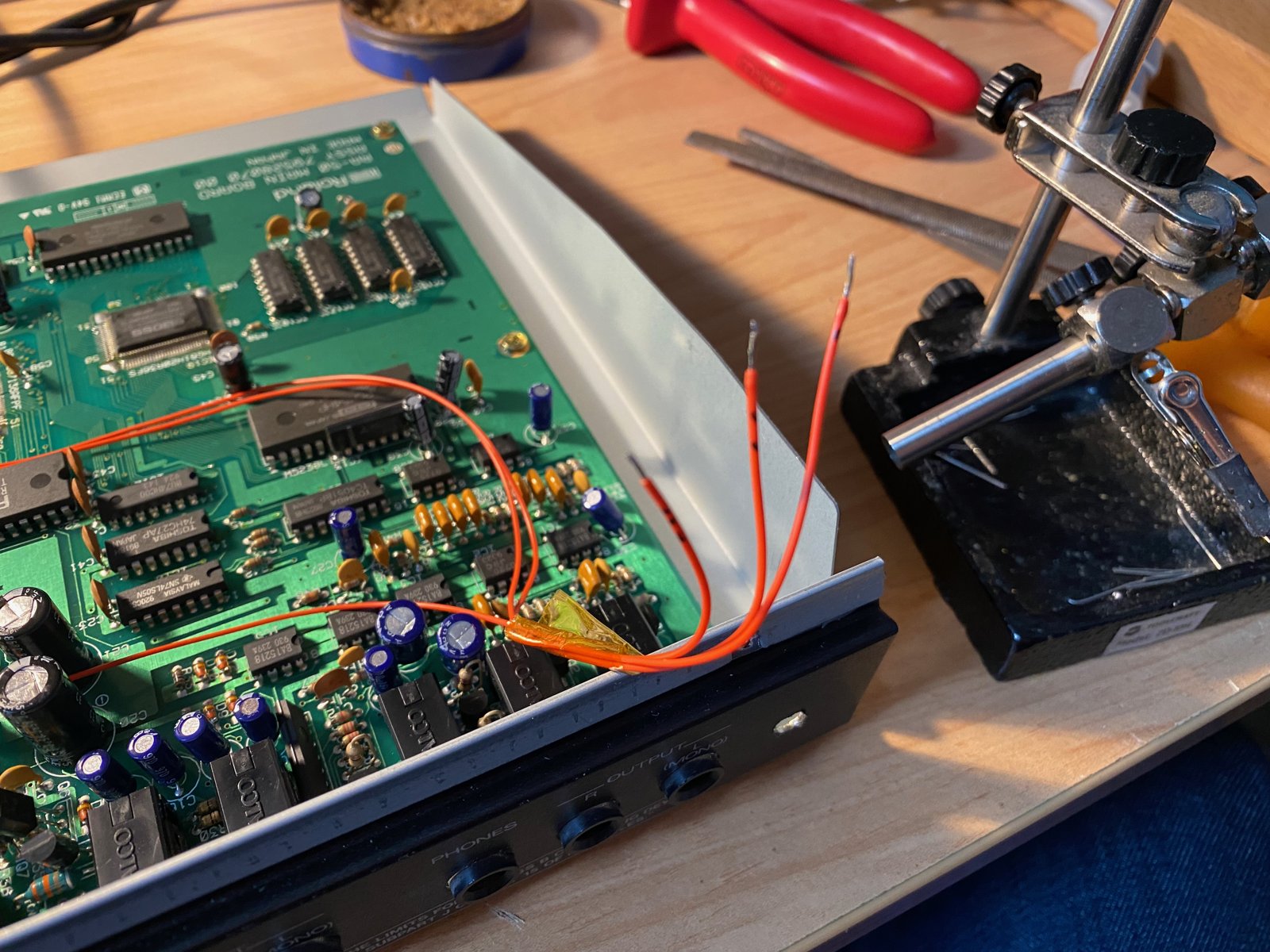
(Fig. 3: The new wires on the mainboard)
And one trace on the mainboard has to be cut:
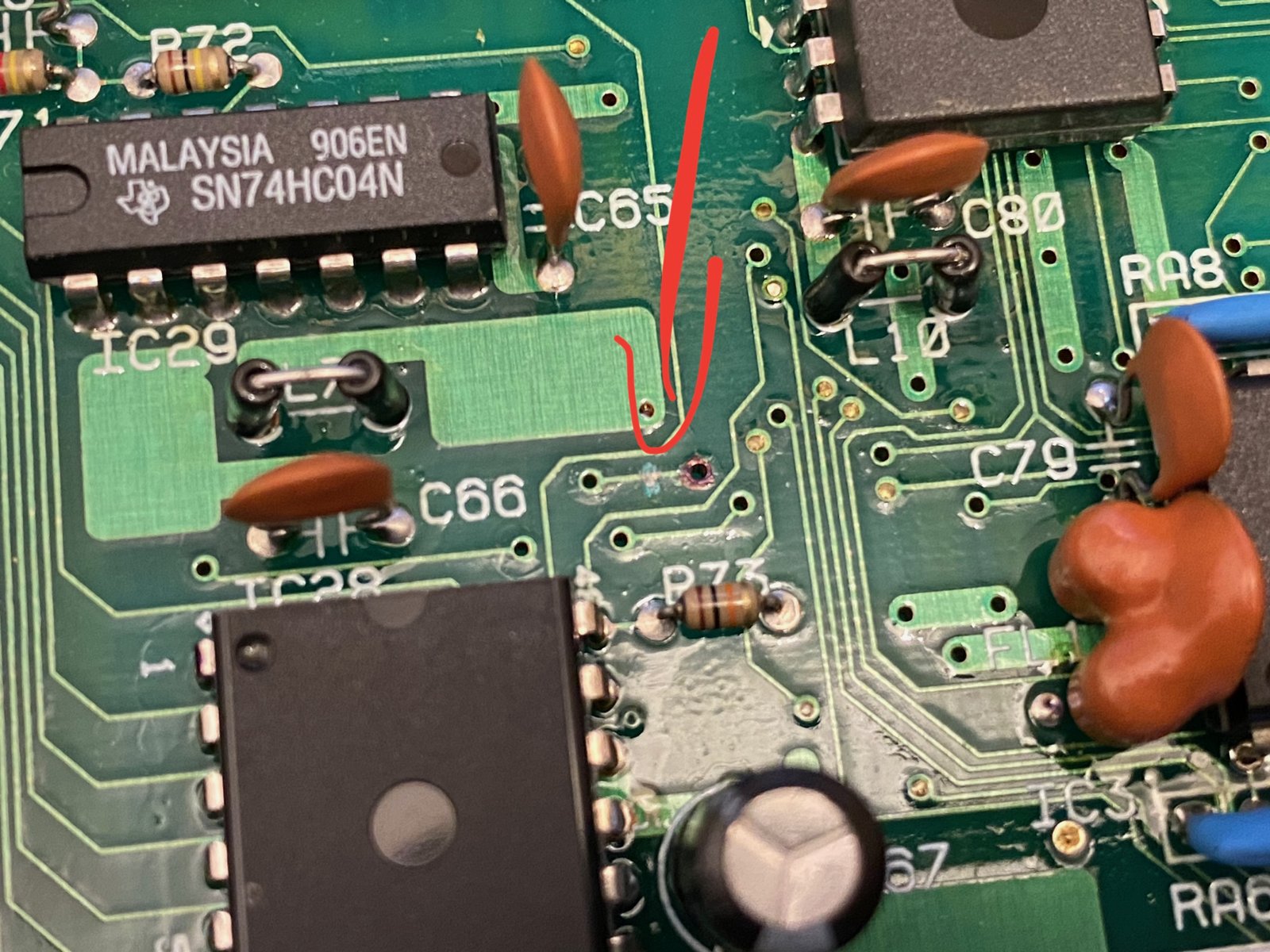
(Fig. 4: The trace to cut, marked with a red arrow, next to IC29, an SN74HC04N)
And the EPROM with the MT-32 firmware, as in the video tutorial:
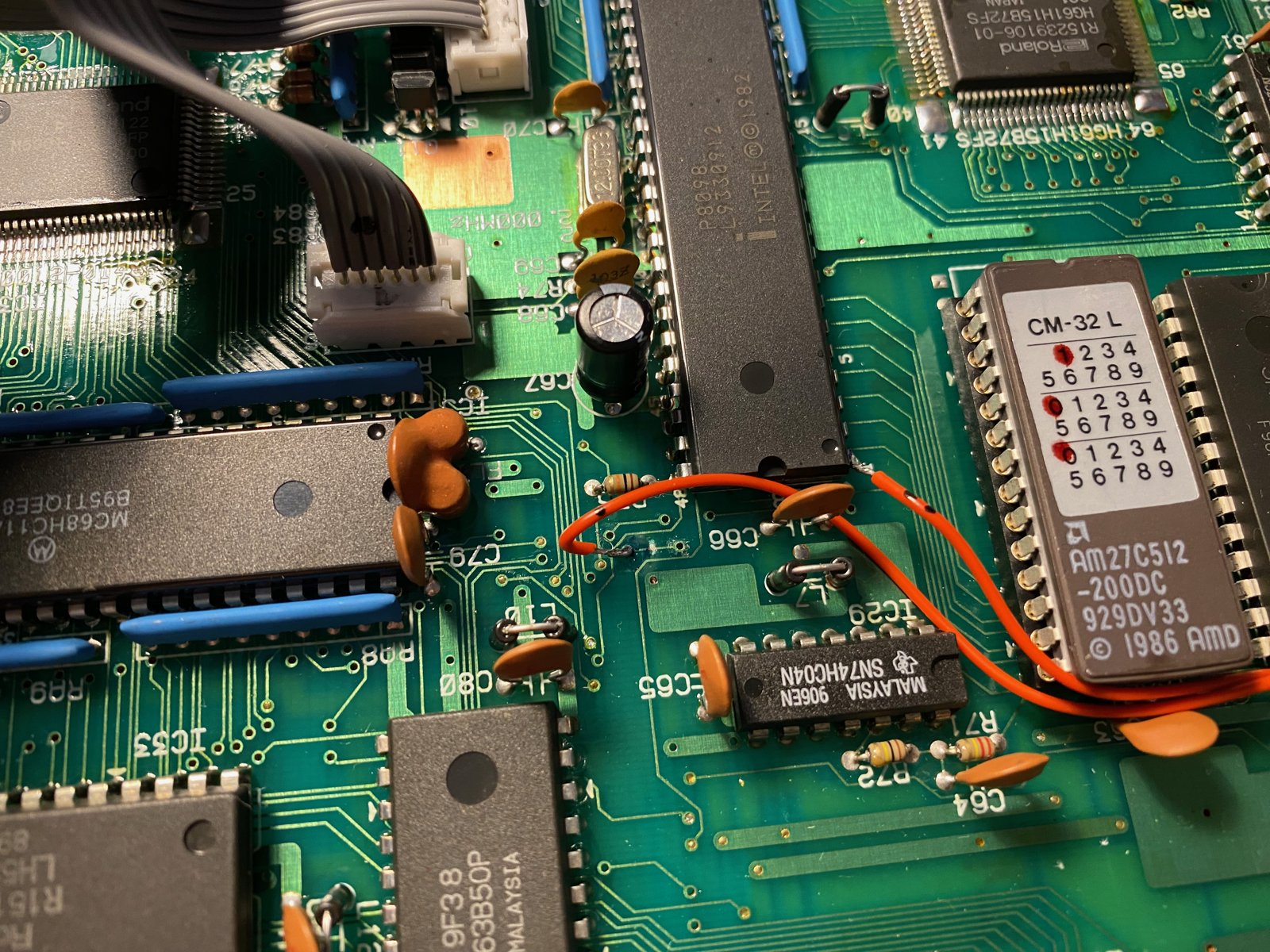
(Fig. 5: The EPROM with the MT-32 firmware)
On the back, I added a switch, so the device can still be used as an RA-50:
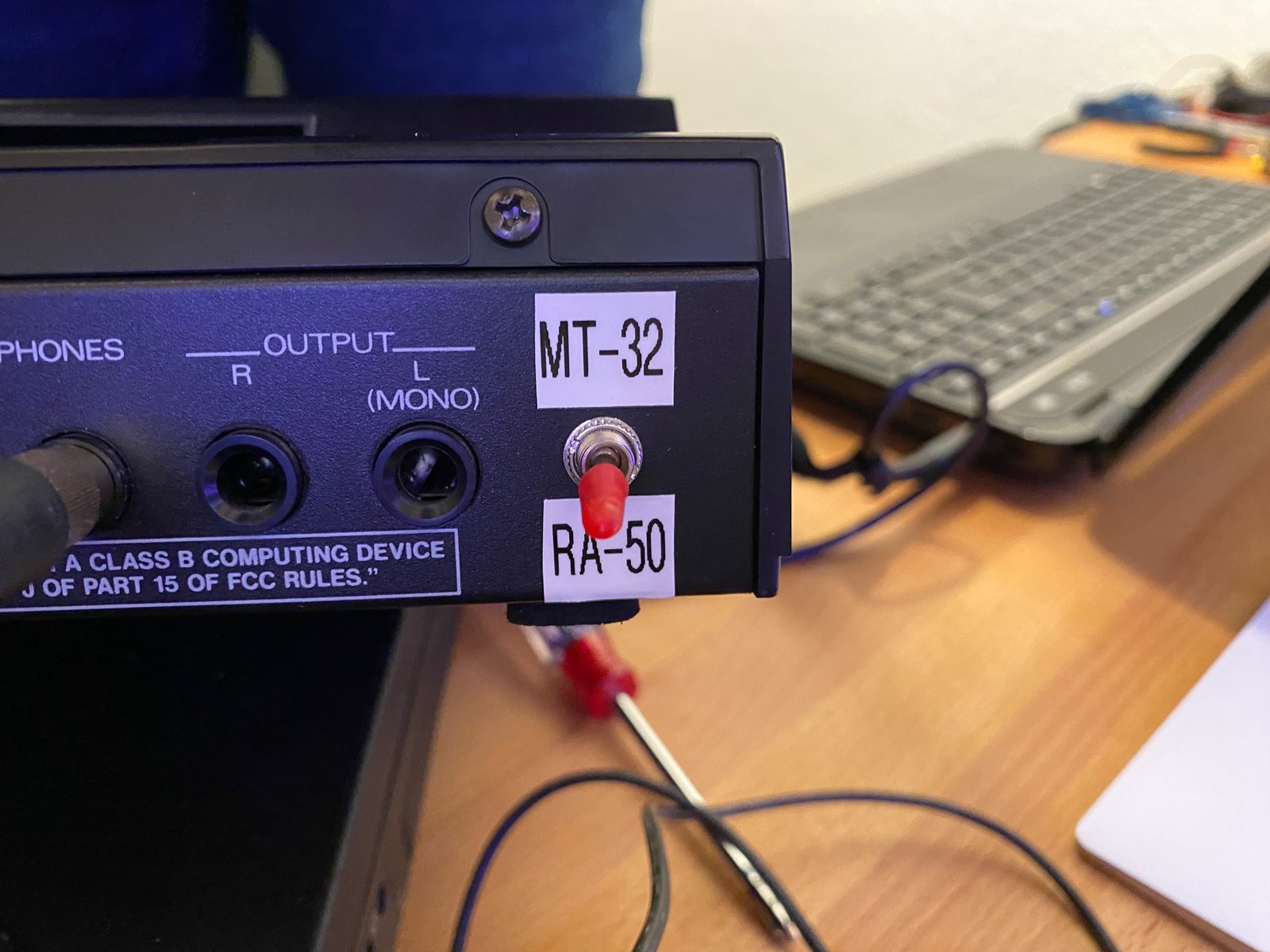
(Fig. 6: The new switch between MT-32 and RA-50 mode)
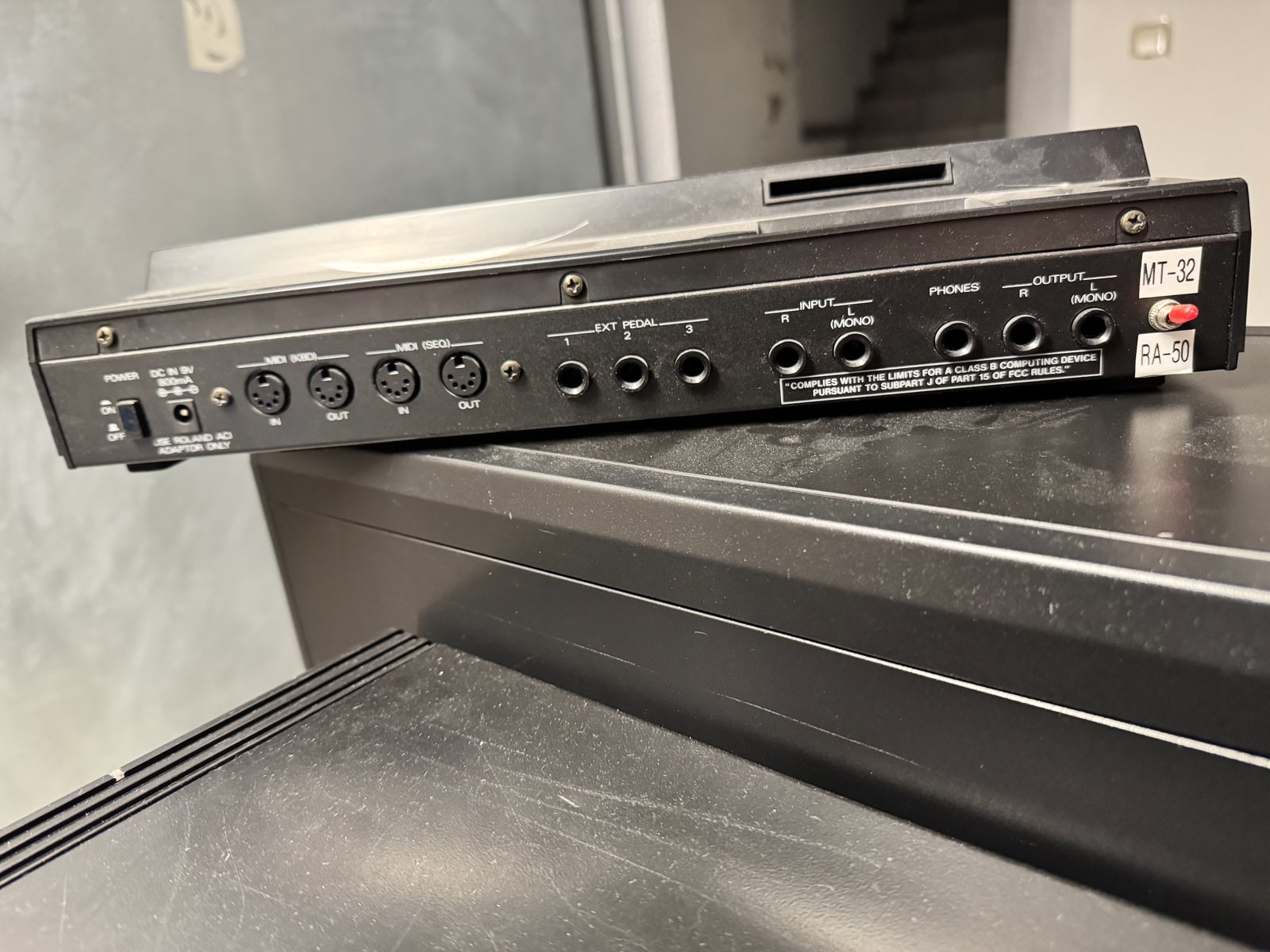
(Fig. 7: The back of the RA-50: MIDI IN/OUT, the 6.3 mm audio outputs and the MT-32/RA-50 switch)
The MIDI Card
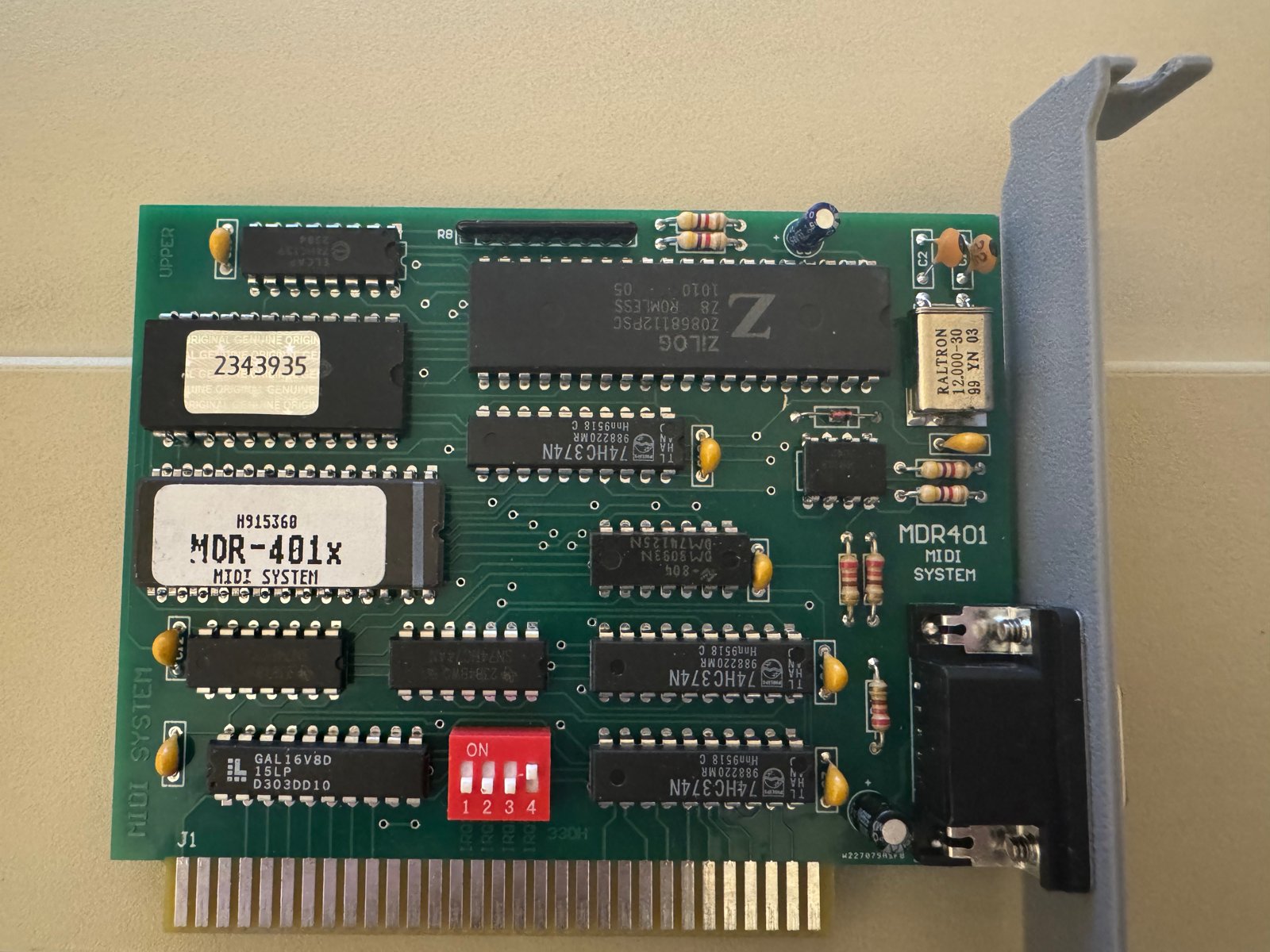
(Fig. 8: The MDR-401x MIDI card from my 386)
The MDR-401x is an 8-bit ISA card. It has a Zilog Z8 microcontroller and an EPROM labeled "MDR-401x MIDI SYSTEM" with its firmware. Port and IRQ are set with a small DIP switch next to the ISA connector. The labels on the board show three IRQ settings and the port 330H. The MIDI connections are not on the card itself: it has a D-sub connector for a MIDI cable.
Intelligent Mode and UART Mode
The original Roland MPU-401 has two operating modes. In the "intelligent mode", the interface handles parts of the MIDI timing itself. In the simpler "UART mode", it only passes the MIDI data through. Most games use UART mode, but some early titles need intelligent mode. Many cheaper "MPU-401 compatible" cards only support UART mode. The MDR-401x supports the intelligent mode, which was the reason I chose it.
Configuring and Connecting
The usual default for an MPU-401 is I/O port 330h and IRQ 2 (9). The IRQ must not collide with the Sound Blaster (IRQ 5 in my case: SET BLASTER=A220 I5 D1 T4) or other cards.
The MIDI OUT of the MPU-401 goes to MIDI IN of the RA-50. The audio comes out of the two 6.3 mm jack outputs (L/MONO and R) on the back.
In most games, you select the MT-32 in the setup or install program, usually as "Roland MT-32", "Roland LAPC-1" or "Roland MPU-401".
Result
The main reason for the mod was the hanging note bug: notes that keep sounding instead of stopping. Here is the same scene of The Secret of Monkey Island before the mod - listen to the notes that do not stop:
(Video: Before the mod - the hanging note bug)
And after the mod, with the music played by the modified RA-50 as MT-32:
(Video: After the mod - The Secret of Monkey Island with the modified RA-50 as MT-32)
I also posted it on r/vintagecomputing.
Comments on "Roland RA-50 to MT-32 mod with an MPU-401 card for MS-DOS"
Comments are moderated before publication. Only substantive and constructive comments will be approved.